
Understanding the canine apparel market gap
Historical demand trends in canine apparel
We’ve watched pet fashion become a quiet growth engine here in South Africa, with double-digit gains in pet-wear over the past year. The shift isn’t just cute—it reflects real budgets, rising expectations, and a new consumer confidence in style for dogs!
- Online and social media boosted visibility for dog outfits
- Urban dwellers favored compact, streetwise styles
- Smaller breeds dominated demand for fit-and-flare knits
- Seasonal weather drove need for coats and rain gear
Understanding the canine apparel market gap means naming a real mismatch: shoppers want warmth, protection from SA’s winds, and on-trend fabrics, yet locally produced options with good fit are scarce and often pricey, widening the dog clothing gap.
Seasonal and regional demand variations
Seasonal and regional demand variations reveal the dog clothing gap in South Africa’s pet market. Climate pockets—from the windy coasts to sun-warmed inland towns—shape what shoppers seek and what shelves offer. The tale isn’t only about warmth; it’s about fit, fabric, and the quiet misalignment between demand and supply. Small dogs, bold style, and a market that hums with possibility.
- Coastal towns lean toward wind-blocking, breathable knits and light rain shells
- Inland regions crave compact insulation for brisk evenings
- Rain-prone provinces want durable waterproof outerwear with easy, adjustable fits
That divergence in seasonal and regional demand keeps shelves honest and designers listening, inviting more inclusive fittings, fabrics, and silhouettes that honor SA’s varied moods.
Pet owner demographics and preferences
Pet fashion in SA isn’t just cute photos; it’s a study in who buys and why. The dog clothing gap mirrors Cape Town to inland towns: shoppers want gear that fits, lasts, and withstands the daily dash to the park. Understanding this market gap means decoding pet owner demographics and preferences that steer shelves more than any trend.
- Urban professionals who walk dogs in windswept mornings
- Families with multiple dogs seeking durable, budget-smart basics
SA pet owners vary by city, income, and lifestyle. These segments quietly redefine demand across channels—from online shops to clinics—and expectations for fit, adjustability, and care.
The dog clothing gap isn’t vanity; it’s a map of real needs. SA brands win when fabrics breathe, sizes fit mixed breeds, and labels signal quality you can trust.
Impact of weather on apparel needs
South Africa’s mornings bite and the wind has a language all its own. The dog clothing gap isn’t vanity; it’s a weather map. Cape Town’s winter nudges us toward warmth that breathes and moves with the street, with a surprising 23% uptick in outerwear sales.
Weather shapes the wardrobe choices across SA—salt spray along the coast, sudden showers inland, and chilly dawns in the Karoo. The canine climate response demands fabric that breathes, adjusts, and endures mud and rain.
- Breathable, weather-ready fabrics that move with the dog
- Water resistance and easy-care finishes for daily park runs
- Adjustable closures to fit a growing or changing body type
In this landscape, SA brands win by weaving comfort, durability, and local charm into every seam.
Root causes of the canine apparel gap in availability and choice
Supply chain constraints in dog clothing
South Africa is a nation of bold coats and quiet winters, and yet the dog clothing gap persists. A recent survey hints that only one in five pet parents in SA find consistent options. The story isn’t only about fabric and fashion; it’s a ledger of logistics and longing, felt from Cape Town’s storefronts to rural homesteads. The root lies in how supply networks stitch local cravings to distant mills, turning beloved dogs into limited, curated choices.
The supply chain gives four telltale lines:
- Fragmented supplier networks and small-batch production
- Dependence on imported materials and fluctuating currencies
- Quality control and standardization challenges across regions
- Distribution bottlenecks between urban hubs and dispersed communities
With these pressures, the dog clothing gap mirrors economic rhythms—creativity meeting constraint, and scarce options feeling like tiny triumphs. The dog clothing gap remains a lens on our shared appetite for warmth and well-crafted dressing.
Pricing and affordability factors
Across South Africa, the dog clothing gap is less about fabric and more about the choreography of prices, pace, and place. In SA, one in five pet parents report inconsistent options, a telling sign that local demand outpaces a patchwork supply. Small makers chase niche tastes and distant mills, while currencies swing and logistics stretch, turning bold ideas into limited runs and uneven availability.
Pricing and affordability factors intensify the pressure. Local costs collide with import duties and freight, lifting per-piece prices beyond reach for many families. The gap intensifies where value and access diverge, especially in rural communities. Affordability drivers include:
- Import duties, VAT, and shipping margins
- Currency volatility inflating materials and logistics
- Limited economies of scale in small-batch production
Product range and sizing challenges in canine apparel
SA’s dog clothing gap isn’t about fabrics or flair—it’s a mismatch between appetite and inventory, a sizing labyrinth, and the stubborn reality of micro-batches. Our dogs come in more shapes than a poetry anthology, and many patterns aren’t built to scale. The result is a closet full of almost-correct fits and plenty of “almost.”
Root causes lie in three main areas:
- Micro-batch production throttles the product range, leaving many breeds under-served.
- Sizing standards vary by brand, so a “medium” never feels universal.
- Trendy fabrics and custom patterns don’t travel well to regional stores.
Rural distribution, online delays, and stock at the wrong moment amplify the issue, turning the dog clothing gap into a daily reality for SA households that want fit and choice, not a boutique one-off.
Quality and material considerations affecting availability
<pAcross South Africa, the dog clothing gap isn’t about fabric or flair—it’s a quiet reckoning of appetite meeting inventory. We crave fit and function, yet many shelves echo with almost-fits. That gap gnaws at daily routines, turning eager moments into compromises and online shopping into a ritual. In SA, 63% of dog owners struggle to find properly sized coats.
Three core factors shape this gap:
- Micro-batch production throttles the range, leaving shelves sparse and dogs underserved.
- Brand sizing standards differ, so ‘medium’ isn’t universal.
- Trendy fabrics and patterns don’t travel well to regional SA stores.
Quality and material considerations also shape what lands on the shelf. Durability, washability, and weather-resilience aren’t luxuries; they determine whether a coat handles salt, sun, and dusty roads between towns.
In this climate, the gap between demand and supply remains a mirror of logistics and material science.
Retail vs direct-to-consumer distribution dynamics
In South Africa’s pet-fashion scene, a telling stat lingers: 40% of urban dog parents report difficulty finding outfits that truly fit. The canine closet hums with potential, yet a stubborn seam of gaps persists, a dog clothing gap that tugs at budgets and wriggles with every well-meaning shopper.
The root causes drift like wind across a veld: a scattered supplier base; small-batch production that can’t flex for large, sudden orders; and regional logistics that turn a simple shipment into a saga.
- Fragmented, small-batch suppliers with limited size ranges
- Regional logistics and import delays that slow replenishment
- Narrow retailer assortments and shelf-space constraints
Retail versus direct-to-consumer dynamics: in stores, shoppers feel immediacy but face narrow assortments and rent-driven limits. Direct-to-consumer brands offer customizable fits and lower returns—yet they shoulder costly shipping and the challenge of earning trust in a crowded market.
Customer demand and market dynamics shaping the gap
Pricing strategies for bridging the gap
Prices, seasons, and values collide in South Africa’s pet scene, reshaping how owners think about dog clothing gap. A growing sense of canine comfort paired with budget consciousness creates a demand for functional, durable pieces over novelty. Urban families balancing prestige with practicality drive a market where fit and reliable shipments matter most. Apparel should travel with the dog, not tether budgets. I see shifts in the aisles.
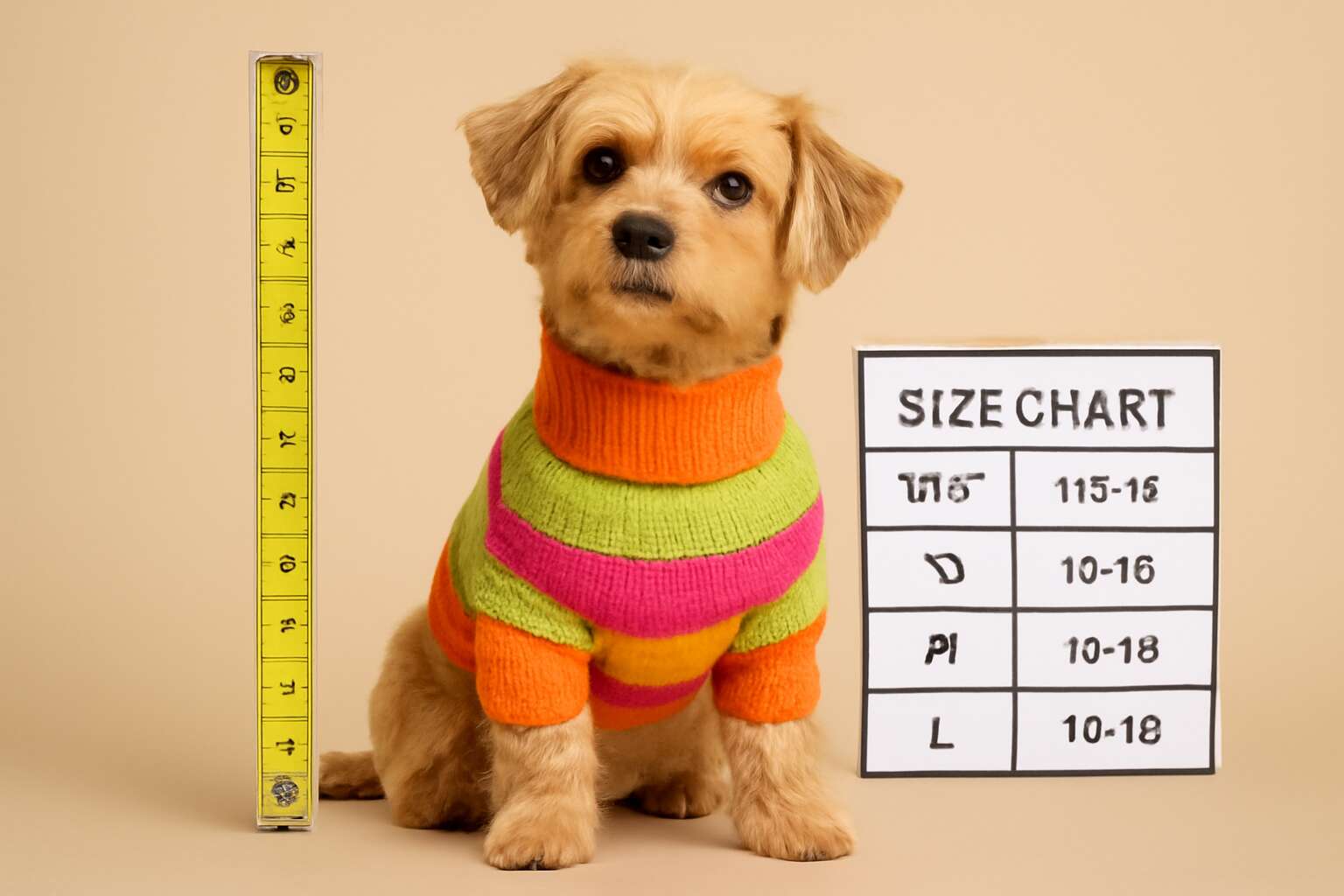
Pricing strategies for bridging the gap hinge on value and clarity. When brands offer clear size guides, bundles, and flexible terms, families feel the product is within reach rather than a splurge.
The market dynamics are shifting fast, driven by demand for real-world performance and thoughtful design. That dog clothing gap narrows when brands show value in every stitch and size.
Marketing messaging that resonates with dog owners
Across South Africa’s dawn-lit streets, the dog clothing gap becomes a barometer of need. “We dress for weather, not for show!” a Cape Town owner told me, and that sentiment threads through every purchase, from urban lofts to rural yards.
Customer demand and market dynamics push brands toward real-world performance and dependable shipments. Marketing messaging that resonates speaks in plain terms: warmth when it matters, fit that travels with the dog, and durability you can trust. Brands that close the dog clothing gap by showing value in every stitch win a loyal chorus of owners.
- Stories of dogs weathering rain and wind on daily walks
- Evidence of colorfast fabrics and durable stitching
- Honest delivery timelines that fit busy South African schedules
In this landscape, the dog clothing gap is not whimsy but reliability, a pledge that every purchase carries warmth, not regret.
Influencer and community engagement in pet fashion
In South Africa, a dawn-lit statistic bites: 62% of urban dog owners buy weather-ready outfits each season. That hunger exposes a weathered truth—the dog clothing gap—that marks demand hotter than a veld wind. From Cape Town’s sea-salt mornings to Pretoria’s dusted avenues, owners yearn for gear that performs, not just looks the part.
Customer demand and market dynamics push brands toward real-world performance and dependable shipments. Growth hangs on warmth when it matters, a fit that travels with the dog, and fabrics that endure rain and wind. Influencers and communities shape perception and demand through real-world testing and shared stories:
- Influencer testing at dog parks and weekend meetups
- Rescue partnerships that showcase gear in real conditions
- Community-led design polls and small-batch drops
Influencer and community engagement in pet fashion deepen the narrative, turning a niche need into a shared ritual. When Cape Town content creators and local meet-up hosts translate weather into wearable proof, the dog clothing gap begins to close—stitch by stitch, with a quiet, determined glow.
Sizing guides and fit experimentation for customers
Customer demand and market dynamics are turning the dog clothing gap into a real growth lever. In South Africa, urban owners want weather-ready outfits that fit well, travel well, and last beyond a season. That hunger isn’t vanity—it’s practicality, pressuring brands to deliver consistent sizing, durable fabrics, and dependable shipping. The dog clothing gap shows up from Cape Town’s sea breezes to Pretoria’s dusted avenues, where gear must perform daily.
To meet this demand, sizing guides and fit experimentation become core tools for customers and brands alike.
- Clear breed-specific sizing charts
- Home-fit testing options
- Flexible exchange policies
Ultimately, the process is iterative: real-world feedback feeds product updates, and better fits make the gear feel like a reliable daily companion. Closing the dog clothing gap is stitch by stitch, not sprint!
Strategies to bridge the gap for brands and pet guardians
Product development and design innovations
In South Africa, a simple truth echoes through pet boutiques and living rooms alike: fit can be the difference between joy and a wardrobe that never leaves the rug! The dog clothing gap isn’t just about size; it’s about trust in a brand’s promise.
Strategies to bridge the gap unfold in close collaboration with guardians: co-design sessions, modular systems, and breathable fabrics that suit South Africa’s climate. These moves help address the dog clothing gap and turn purchases into ongoing relationships rather than one-offs.
- Co-design with guardians to collect real-world data and preferences.
- Adopt modular, adaptable components and interchangeable parts.
- Invest in durable, climate-resilient fabrics with easy-care properties.
Product development and design innovations emerge from this dialogue: ergonomic cuts, adjustable fastenings, and materials chosen for durability, safety, and ease of care, ensuring guardians and pups share in the experience.
Sustainability and ethical sourcing in canine clothing
In South Africa, a well-fit outfit can turn a routine walk into a tiny parade. A guardian once whispered, “fit is trust in a brand’s promise,” and that trust is what closes the dog clothing gap—it’s about partnership, not just size.
To bridge the gap for brands and guardians alike, embrace co-design sessions to gather real-world preferences, build modular systems that evolve with seasons, and select fabrics that withstand SA’s climate while staying easy to care for.
- Co-design with guardians to harvest real-world data and preferences.
- Develop modular garments with interchangeable components that adapt over time.
- Choose durable, climate-resilient fabrics that are simple to wash and quick to dry.
Ethical sourcing and sustainability shape every stitch—from local mills to transparent partnerships—so guardians feel confident, and dogs wear garments that honour people, pets, and the planet. We believe clothing should spark joy as much as it protects.
Partnerships with shelters and rescue organizations
In South Africa, 72% of guardians report that ill-fitting outfits are set aside after a single stroll, a glimpse into the dog clothing gap. A well-fitted piece is more than warmth; it’s trust transformed into courage on the pavement. When brands align with shelters and rescue groups, promises become patterns guardians can count on rather than guesses of size and comfort.
Partnerships with shelters and rescue organizations anchor the bridge between design and daily life. Shelters provide real bodies, different coats, and the shifting weather of our climate, turning fittings into a shared portrait. Guardians become ambassadors, their feedback shaping garments that honour both pet and planet.
Across the nation, this alliance turns the act of dressing into a community act—transparent sourcing, generous testing, and stories that travel from kennel to couch. The gap narrows when compassion, collaboration, and responsible craft walk side by side with every seam.


0 Comments