
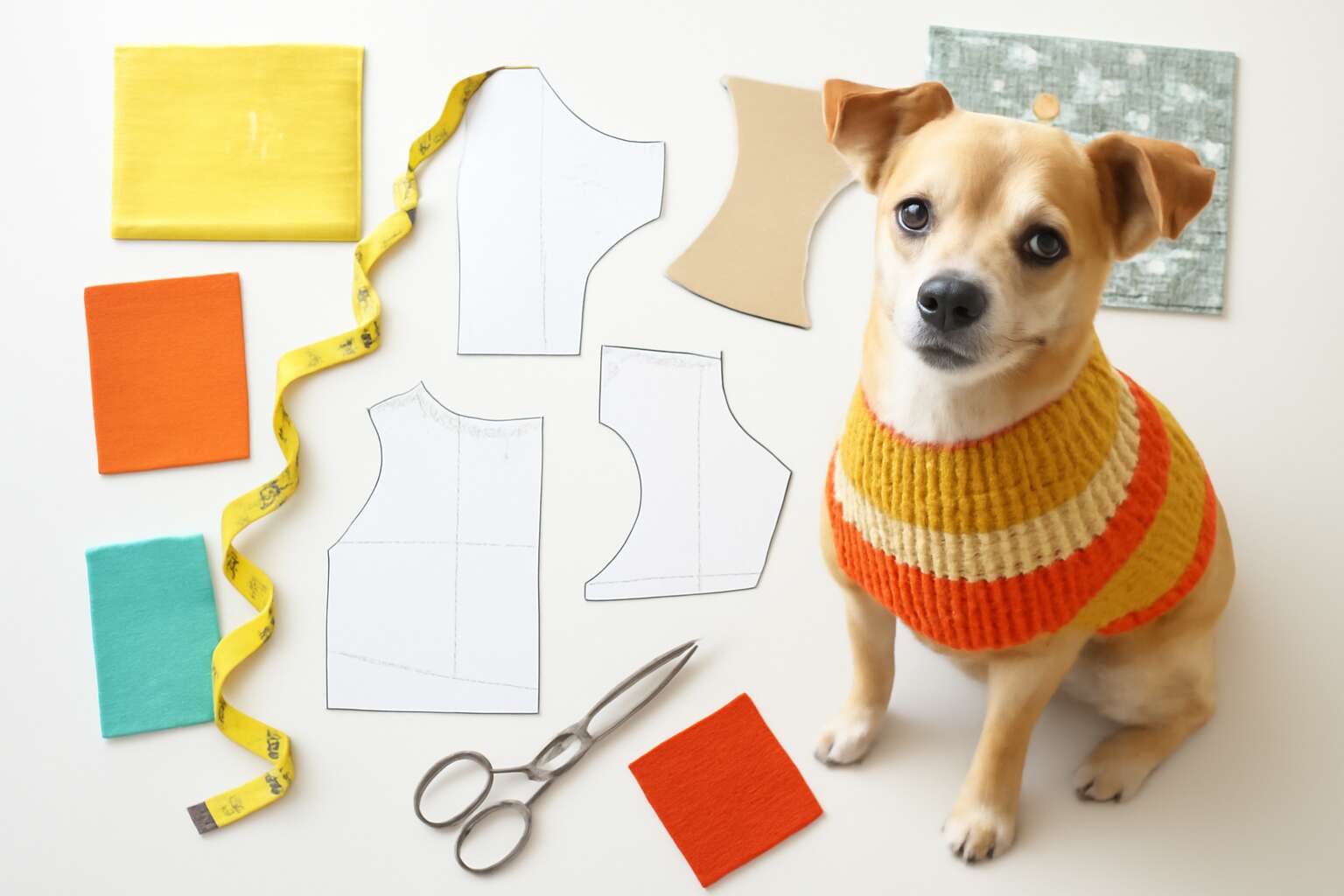
Comprehensive Canine Garment Pattern Outline
Pattern Fundamentals for Canine Garments
In South Africa, the pet-fashion wave surged roughly 34% last year, and dog clothing patterns act as the compass that turns imagination into wearable comfort. A precise pattern outline translates measurements into ready-to-sew garments, preserving movement and warmth for every wag.
Foundations include measurement grids, balanced seam allowances, and deliberate ease. Map grain lines, notch placements, and size graduations across breeds to avoid sagging fronts or tight hitches. Essentials include:
- grain-aligned fabric layout
- consistent seam allowance
- multi-size grading
For South African studios, fabric choice and testing matter. Try a few fittings on a lifelike mannequin or rescue dog, adjusting throttle and length until each piece glides rather than digs. With care, design becomes a chorus of comfort and style.
Essential Pattern Types for Dog Apparel
South Africa’s pet fashion market jumped 34% last year, and I hear it ripple through studios like a hidden wind. In that climate, dog clothing patterns become the quiet compass that translates creativity into wearable comfort, shaping silhouettes that move with every wag and stride.
Here are the essential pattern types that shape the silhouette and ease:
- Coat patterns
- Sweater patterns
- Hoodie patterns
- Rain cape patterns
- Bootie patterns
Beyond fabric choices, the craft resides in translating line and grain into a garment that glides rather than clings. The right pattern type blends function with flair, a quiet promise in every seam.
Sizing, Measurements, and Fit Across Breeds
South Africa’s pet-fashion scene roars with energy, and dog clothing patterns sit at the heart of that movement. Last year, SA’s pet apparel market climbed 34%, a sign that owners crave garments that look sharp and move with every wag. The right outline invites comfort without sacrificing flair.
Comprehensive sizing hinges on precise measurements taken from neck to tail and across the chest. Before cutting, I map these essentials:
- Back length (base of neck to tail)
- Chest girth at widest point
- Neck circumference
These checkpoints translate into consistent ease across fabrics and breeds.
Around bulldogs and whippets—the aim remains the same: a garment that glides rather than clings, respecting line, grain, and the animal’s natural gait. In this landscape, proper fit is the quiet promise behind every seam!
DIY Pattern Drafting, Tutorials, and Customization
In South Africa, pet fashion is roaring—last year the market jumped 34%—and thoughtful makers know that dog clothing patterns are more than pretty lines on fabric. A well-crafted pattern outline shapes comfort and character, letting each wag carry its own style. It’s design with a conscience, stitched into every seam.
- Master blocks and adaptable silhouettes
- Test fabrics, grain, and seam allowances
- Breed-specific adjustments and finishes
Comprehensive outlines for canine garments blend master blocks, ease, and customization. DIY pattern drafting and tutorials help translate neck-to-tail measurements into wearable templates, while respecting grain, fabric stretch, and breed quirks. With dog clothing patterns as flexible templates, you gain versatility across fabrics and seasons.
Customization becomes a practical, design-driven act—coats and tees that move with the dog rather than against it.
0 Comments