
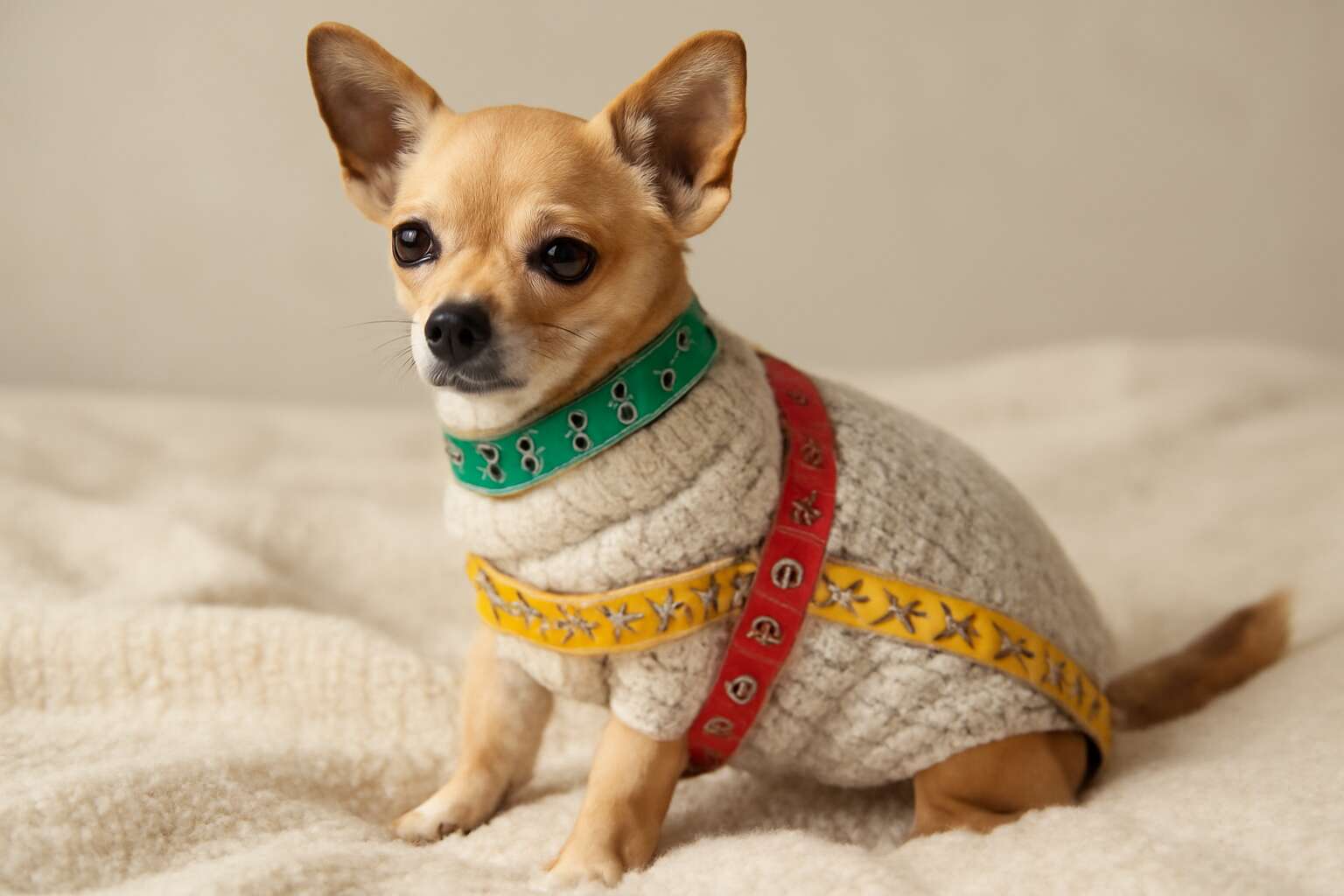
Understanding dog apparel sizing and measurement charts
What a sizing chart tells you
Fitting fashion for wagging tails is more than a trend—it’s a signal of comfort on every stroll. A dog clothing measurement chart becomes the map that turns guesswork into perfect fits. In South Africa’s sun-drenched climate, the right size means warmth without bulk and movement without restraint, turning outfits from fabric into trusted gear that travels from the home to the beach, and beyond.
To read a sizing chart clearly, start with a few core measurements captured with patience. Here are three key categories the chart uses:
- Neck girth
- Chest girth
- Back length
Finally, compare metric or imperial options with care, noting how fabric stretch or a furry coat can shift the ideal size. A reliable chart helps prevent chafe and discomfort, keeping tails wagging through every season.
Key measurements to capture for accuracy
From Cape Town dawn to the Karoo heat, a well-fitting coat is more than fashion—it’s everyday comfort for wagging tails. The dog clothing measurement chart becomes the compass that turns guesswork into confidence, guiding gear from home to shore and beyond, and we feel the difference.
To capture accuracy, place your pup on a clean floor with a patient helper. Note the neck where a collar sits—comfortably snug. Measure the chest at its widest point behind the front legs, then back length from neck base to tail base. These numbers feed the dog clothing measurement chart.
With precise data, small adjustments prevent chafe and keep tails wagging through every season. In South Africa’s sun and sea, comfort trumps trend when fabric stretches just enough and movements stay unencumbered.
How charts vary by brand and garment type
In South Africa, a well-fitted coat is daily comfort, not luxury. A recent SA pet-owners survey found that over 60% struggle with sizing when shopping for dog clothing, turning a simple errand into a moment of hesitation and hope.
Understand that charts vary by brand and garment type. A dog clothing measurement chart can look different from one label to the next—some prioritize chest girth, others back length, and some anticipate stretch or shrinkage.
- Brand-specific quirks in scale and fit
- Garment type guiding where measurements matter most
That variability is not chaos but character—the map that helps each pup find their own runway, from coast to cape. The dog clothing measurement chart mindset respects fabric and movement, transforming guesswork into confidence and keeping tails wagging as seasons turn.
Why a proper fit matters for comfort and safety
In SA, more than 60% of pet owners struggle with sizing when shopping for dog clothing, turning a simple errand into a moment of hesitation and hope. Understanding dog clothing measurement chart is not just about numbers; it’s a map of movement, showing how fabric will dance with your dog’s stride.
A proper fit matters for comfort and safety—chafing, overheating, or restricted stride can creep in when charts are ignored. I’ve watched a coat hug the chest yet pinch the shoulders, turning a calm walk into a tug-of-war; a well-fitting garment keeps tails wagging through every season.
- Look beyond a single girth figure; consider back length and how the shoulders move.
- Account for fabric stretch and seasonal layers so the coat breathes and grows with the dog.
- Compare against the dog clothing measurement chart and choose sizes with a touch of room for growth and movement.
How to take accurate dog measurements at home
Tools and setup you need
In the bright mornings of South Africa, the right fit feels like a small luxury—a simple, timeless comfort for a beloved companion. A surprising 40% of dogs end up in outfits that ride up or sag, muting their personality rather than celebrating it. When we speak of a dog clothing measurement chart, the magic lives in the quiet precision of home measurement, done with care and respect!
To set the scene at home, gather these essentials:
- Flexible measuring tape or soft tailor’s tape
- A quiet, well-lit space with a non-slip mat
- A helper to gently steady the dog
- Notebook and pencil for quick jotting
I prefer a quiet, distraction-free corner, a calm handler by the side, and a soft voice that invites cooperation.
Measuring the neck, chest girth, and back length
In the soft morning light of a South African home, precise measurement feels like a small, trusted ritual. A dog wearing a well-fit outfit carries its own quiet dignity, and the dog clothing measurement chart makes that possible. About 40% of dogs end up in outfits that ride up or sag, muting their personality. With calm hands and a respectful whisper, every curve—neck, chest girth, and back length—receives careful attention before fabric touches fur.
- Neck: Place the tape at the base of the neck, snug but not tight; keep the dog steady.
- Chest girth: Measure the widest chest behind the front legs, tape level and unobtrusive.
- Back length: From base of neck to the tail start, along the spine.
Records are kept with a gentle, steady rhythm; this quiet practice turns home measurements into a reliable wardrobe map, ready for the next fitting!
Measuring around the legs and paws when required
South Africa’s morning light spills through the blinds as a dog sits calm, a ritual of measurement unfolding. When the dog clothing measurement chart is consulted, leg and paw data ensure freedom of movement and secure fit. Measuring around the legs and paws guards against tight binding and awkward drag, turning uncertainty into confident sizing.
- Stand or steady the dog in a comfortable position that lets the leg extend naturally.
- Wrap a flexible tape around the widest part of the leg above the paw, reading the snug measurement without pinching the skin.
- For paws, measure the width across the pads, and the length from heel to toe if the garment covers the paw.
- Repeat calmly to confirm consistency and record the numbers in a dedicated log.
These steps translate quiet home practice into reliable data, ready to guide a perfect, respectful fit for every garment.
Best practices for coat types and anxious pets
South Africa’s morning sun spills across tiled floors as measurement becomes a ritual rather than a task. A compass for movement emerges, turning quiet observation into data that respects every dog’s rhythm. “Comfort first,” whispers a seasoned SA designer, and the coat selection becomes a negotiation between fabric, fit, and freedom.
Best practices for coat types and anxious pets flow from patience and gentleness. The following considerations keep measurements humane and readable:
- Choose breathable fabrics with slight stretch to reduce restriction.
- Prefer simple closures that minimize handling and restraint.
- Introduce materials gradually in a calm space with familiar routines.
- Maintain a soft, positive atmosphere to support anxious dogs.
The dog clothing measurement chart translates these cues into sizing that truly fits, safeguarding comfort and movement.
Step-by-step measurement routine with tips
South Africa’s morning sun spills across tiled floors, turning measurement into ritual rather than task. “Comfort first,” whispers a seasoned SA designer, and that sentiment threads through every wrap of fabric and frame. This translates into the dog clothing measurement chart.
In a calm space, patience is the tool. A step-by-step measurement routine unfolds as a quiet dialogue between you and your dog—observing posture, pace, and comfort; noting what matters on the chart without force. Gentle handling safeguards nervous pups and preserves movement.
When done, you carry the confidence of accuracy, ready to select gear that respects wiggle and wakefulness. The dog clothing measurement chart becomes more than numbers; it’s a promise of ease.
Interpreting measurements and choosing sizes
Reading a size chart by chest girth and back length
Cozy coats and confident tails: a snug fit is magic. In South Africa, a careful approach to sizing turns a stroll into a parade, and a statistic advises: most dogs wear coats that pinch rather than glide. The dog clothing measurement chart is where I find that magic begins, translating the quiet numbers into a comfortable silhouette.
Interpreting measurements means reading chest girth and back length as partners, not rivals. Chest girth gauges the widest part of the chest behind the front legs, while back length runs from the base of the neck to the base of the tail. Use the chart as your compass, prioritizing the more restrictive dimension.
- Chest girth: around the chest behind the front legs.
- Back length: from the base of the neck to the base of the tail.
Let the numbers guide you toward a garment that moves with grace, offering comfort without confinement.
Converting measurements to brand-specific sizes
In South Africa, a well-fitted coat can turn a simple stroll into a parade, and the numbers on a dog clothing measurement chart are the chorus before the dance. Interpreting measurements means letting the quiet totals guide design choices, translating them into a silhouette that breathes and moves. The process of converting these numbers to brand-specific sizes rests on recognizing that every maker speaks a slightly different size language, a dialect of fit.
Brand maps, fabric behavior, and the dog’s daily tempo shape the final decision. The goal is harmony between form and function, where the garment moves with grace rather than pinching against it.
- Brand-specific size maps
- Fabric stretch and recovery
- Movement and activity level
Accounting for coat type, breed, and growth
One in four dogs end up tugging at ill-fitting coats on South African mornings, turning a simple stroll into a tug-of-war. A dog clothing measurement chart isn’t just numbers—it’s the bridge between cold paws and a confident stride. Interpreting those figures means listening to the dog’s rhythm and forecasting how the garment will breathe with every step.
- Coat type and fabric behavior
- Breed silhouette and growth pattern
- Seasonal growth and upcoming changes
Interpreting measurements also means accounting for coat type, breed, and growth to select a size that moves with the dog rather than pinching. Consider the dog’s daily tempo—an active hiker will demand a bit of stretch and airflow, while a relaxed companion benefits from a snug, non-restrictive fit.
Common issues and troubleshooting with dog clothing fit
Identifying too-tight or too-loose garments
<p Ill-fitting dog clothing is more than a nuisance—it can spoil a walk and rub sensitive skin. Up to 40% of dog clothing returns are linked to fit, underscoring why the dog clothing measurement chart matters. A garment should move with the dog, not clamp at joints or ride up at the chest during a gallop.
- The chest seam pulls when the dog breathes deeply.
- The neck opening feels tight or slips over the head.
- Fabric pulls at the hips or back when the dog moves.
Spot these telltale signs of a poor fit: rubbing at the neck, pooling fabric behind the shoulders, or seams that strain during movement. The dog clothing measurement chart clarifies why brands differ and why a size works with one coat type may not in another, keeping comfort on every walk.
Using adjustable features and stretch fabrics effectively
Even the most dashing canine can look ridiculous when a garment clings like a second skin or sags like a melted marshmallow. Common issues slip in quietly, turning joyous strolls into fidgety fashion shows.
A well-used dog clothing measurement chart reveals the truth: stretch fabrics and adjustable features can salvage a sloppy fit, but only if the fabric has freedom at the shoulders and chest and the fastenings won’t crowd movement.
Troubleshooting isn’t a lecture; it’s a quiet duet between cloth and creature. Consider these frequent culprits and how stretch fabrics or adjusters can help:
- Shoulder slip where the chest meets the garment
- Back leg openings that ride up or gap
- Belly exposure when the coat shifts forward
In South Africa, where sun and sandy paws test wear, a fit that moves with your dog is priceless. The right fabric breathes, the adjusters cooperate, and the whole ensemble stays proudly on-point.
Understanding return and exchange policies
In the theatre of a well-fitted coat, a wag is a whisper of confidence. “Fit is everything,” as one South African groomer often says, and the dog clothing measurement chart acts as a compass when motion tests a garment. Common issues surface quietly: shoulders slip where the chest meets fabric, back leg openings ride up, or the belly is exposed as the dog moves.
- Shoulder slip where the chest meets the garment
- Back leg openings that ride up or gap
- Belly exposure when the coat shifts forward
Understanding return and exchange policies is part of the fit journey in South Africa. Clear terms—time windows, condition requirements, and whether exchanges are supported—help manage expectations. A dog clothing measurement chart supports buyers and sellers alike, framing fit as a matter of dignity rather than demand.
Practical tips to streamline shopping and styling
Create a personalized at-a-glance measurement chart
In South Africa, 72% of dog clothing returns are due to ill fit—a statistic that stings more than a chihuahua’s bark. The dog clothing measurement chart is the quiet hero here, translating shy inches into confident purchases and happier hounds.
Practical tips to streamline shopping and styling hinge on a personalized at-a-glance chart. It cuts through noise, saving time at every checkout. Create a tidy template that brands can read at a glance and that keeps your grooming and wardrobe choices coherent.
- Clear field labels that map to brands’ sizing systems
- Visual cues for coat types and seasonal adjustments
- A printable at-a-glance sheet for quick decisions
With the chart in hand, you speak the same language as retailers, from Cape Town boutiques to online South African shops. The result is smoother fittings, less stress for anxious pups, and wardrobes that transition across seasons with elegance and ease.
Photographing fits and keeping reference photos
Practical tips to streamline shopping and styling begin with a calm, photo-led routine. The dog clothing measurement chart becomes your compass, turning shy inches into confident purchases. Photograph fits under natural light, then compare back length, chest girth, and neck with the chart to spot snug spots before checkout.
Keep a tidy reference gallery for easy brand comparisons across seasons. Label files with your dog’s name, date, and size, and add a brief caption noting coat type or stretch fabric so you can revisit decisions quickly.
- Consistent lighting with a neutral backdrop
- Include a scale reference for size comparison
- Capture multiple angles for a full-fit view
These habits render the process quieter and the fit clearer, letting starlit imagination meet practical design in every paw-friendly piece. That is the promise of the dog clothing measurement chart in your studio: a steady anchor amid fashion’s flutter.
Breed-specific sizing considerations and examples
Around South Africa’s pet-loving households, nearly 60% of owners admit they buy outfits that never get worn because a fit feels off. The dog clothing measurement chart acts as a compass, smoothing the jagged edges of brand variability and season-to-season change—it’s a reminder I lean on for calmer shopping. It reframes impulse into intention, letting a single reference guide new purchases and keep coats comfortable and safe!
Breed quirks come alive when you imagine movement: stocky, barrel-chested dogs breathe easier with chest room but necks remain calm; long-backed breeds want secure belly fits to prevent shifting; lofty coats can mask snugness until they stride. To bridge these gaps, consider these notes:
- Bulldog-type builds benefit from slightly extra chest and neck ease
- Greyhounds and dachshunds require length and a secure hindquarters fit
- Fluffy or double coats benefit from stretch fabrics that move with the dog
Care, maintenance, and extending garment life
Around South Africa’s pet-loving households, a reliable dog clothing measurement chart acts as a steady compass amid brand variability and season-to-season shifts. In this market, around 60% of owners admit outfits never get worn because a fit feels off. The chart turns impulse into intention, smoothing rough edges and guiding new purchases so coats stay comfortable and safe.
When paired with thoughtful care, this measurement framework turns maintenance into a natural extension of the wardrobe narrative. Fabric choices and movement-friendly fits influence longevity, and stretch fabrics often perform best in daily life. Together, attentive care and a well-documented size profile extend garment life and keep updates from the rack feeling purposeful in SA homes.
0 Comments