
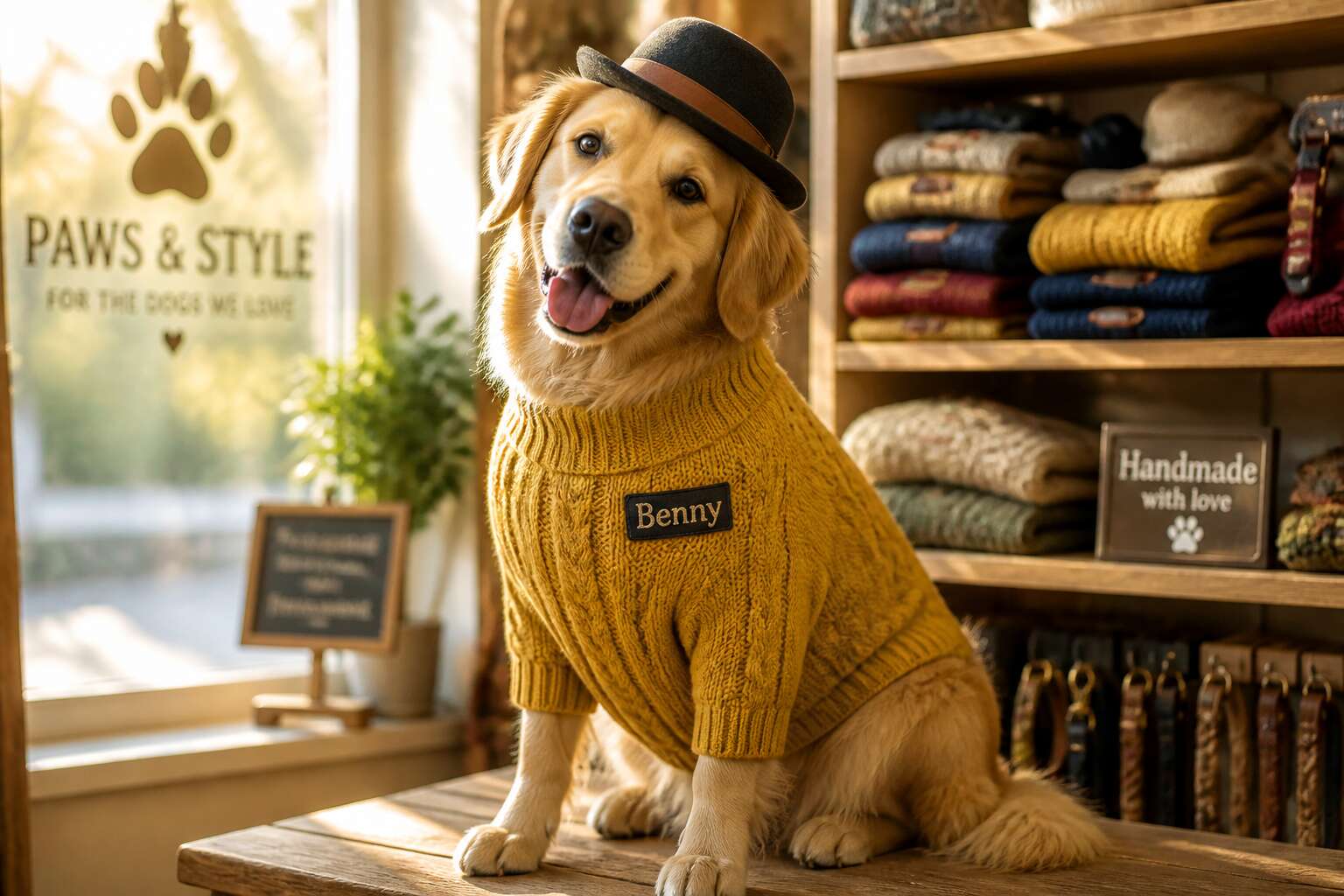
The Rise of Custom Dog Clothing
Beyond One-Size-Fits-All
The era of the oversized, generic sweater has ended. I see it in the way a tailored jacket sits on a Ridgeback’s shoulders, where dog clothing custom has quietly replaced the ill-fitting uniform. The standard sizes promise comfort, yet they often deliver chafing and restraint.
For the discerning pup, bespoke attire is not a luxury; it is a necessity. The measurements are taken with a precise hand, accounting for the unique depth of a chest or the length of a particular spine. A truly tailored piece adapts to the unyielding reality of an active dog’s anatomy.
- Spatial awareness for high-set tails and deep chests.
- Reinforced stitching for digging breeds.
- Fabrics chosen for the Karoo sun or the Cape winter.
The rise of dog clothing custom is a careful departure from uniformity. I have watched a terrier stride confidently in a waxed jacket built for his exact frame, and it changes the entire dynamic of the walk.
Expressing Your Dog’s Personality
First impressions matter, whether at the dog park or on a city sidewalk. Your dog’s wardrobe speaks volumes before a single tail wag. In a country as vibrant as South Africa, where the sun scorches the Cape and the Highveld winters bite, style must also serve a purpose. That is where the true value of dog clothing custom designs begins to shine. It is not about frills or vanity. It is about crafting a silhouette that mirrors your companion’s unique spirit while offering tangible protection from the elements.
We often forget that our pets are individuals with distinct preferences. A standard garment might restrict a natural gait or irritate sensitive skin. When you choose a made-to-measure piece, you are responding to those specific needs. The fabric moves as they move, and the cut respects their anatomy. This attention to detail transforms a simple jacket into a statement of care. It tells the world that you see your dog, not as a generic animal, but as a cherished character with a story to tell.
More Than Just a Wardrobe
The aesthetic possibilities are endless. Imagine a raincoat that actually fits the deep chest of a Boerboel without riding up. Picture a knit sweater for a Whippet that accounts for their slender waist and long neck. This is the difference between a costume and a custom creation.
Consider the local climate and how your pet interacts with it. A lightweight, breathable shirt can shield a short-coated breed from the harsh African sun. A fleece-lined hoodie becomes essential for evening walks during a Karoo winter. Here are a few ways a personal touch elevates the experience:
– Choosing colors and patterns that complement your dog’s coat texture
– Adding reflective piping for safety on darker rural roads
– Selecting durable fabrics that withstand the rough play of the bushveld
Function Meets Expression
Beyond the visual appeal, there is a deeper layer of communication. A well-fitted garment can signal confidence. Dogs pick up on our cues, and when we dress them in something that fits perfectly, they often walk taller. It is a subtle psychological shift that benefits both the owner and the pet.
We live in an era of mass production, but authenticity stands out. The process of designing dog clothing custom work often starts with a conversation. We discuss your dog’s daily routine, their sleeping habits, and how much time they spend outdoors. This dialogue ensures the final product is as functional as it is beautiful. We look at the specific measurements, the girth, the neck, and the distance between the front legs to guarantee a comfortable range of motion.
A Signature Look
Ultimately, this is about celebrating the bond you share. It is about walking into a café in Stellenbosch or along the beach in Durban with a companion who looks as unique as their personality. It is a declaration of love, stitched into every seam. The result is a garment that feels like a second skin, a trophy of your connection, and a piece of art that happens to keep your best friend warm and stylish. When the fit is this perfect, the personality truly shines through.
Functional Benefits for Every Season
South Africa’s weather refuses to be predictable. The Cape’s south-easter brings biting wind, while the Highveld winter can drop below zero overnight. In this landscape, the dog clothing custom approach has risen from luxury to necessity. Off-the-rack garments fail when temperatures shift dramatically. A tailored piece responds.
- Summer: lightweight, breathable fabric prevents sunburn on short-coated breeds like the Ridgeback.
- Winter: fleece-lined insulation protects the Whippet’s lean frame during Karoo evenings.
- Rainy season: water-resistant seams keep the Border Collie dry on muddy trails.
Each garment is measured for the specific dog, ensuring the chest girth and neck opening seal properly. That precision is the entire point.
Key Factors for a Perfect Fit
Accurate Measurement Techniques
A single centimetre can transform a tailored jacket from regal to restrictive. The key factors for a perfect fit rely on precise geometry, not guesswork. Chest depth, back length, and neck circumference each demand attention. For dog clothing custom work, these dimensions interact with your dog’s natural posture.
A flexible tape measure is non-negotiable. Follow this sequence to capture accurate data:
- Measure the neck where a collar rests.
- Record the back length from withers to tail base.
- Wrap the tape around the chest’s widest point.
- Note the belly depth just behind the front legs.
Repeat each measurement twice, as dogs shift weight and muscle tension changes numbers. Add small allowances for movement, but keep the tape snug. This precision turns simple fabric into a garment that honours your dog’s anatomy.
Understanding Dog Body Shapes
Every dog carries a blueprint of proportions as unique as a fingerprint. A Whippet’s aerodynamic torso bears little resemblance to the barrel chest of a French Bulldog, yet both deserve attire that respects their form. For dog clothing custom, understanding these structural variances is the first principle of true craftsmanship.
Consider the skeletal architecture beneath the fur. Deep chested breeds like Great Danes require a longer gusset to accommodate their pronounced sternum. Short backed breeds like Corgis need strategically placed leg openings to prevent bunching behind the elbows. Ignoring these anatomical quirks results in garments that pinch, slide, or restrict natural gait.
The sequence of a dog’s movement adds another layer of consideration:
– A high tuck position with a roach back needs extra fabric at the loin to prevent riding up.
– A sloping croup shifts fabric tension backward, requiring a higher rear seam.
– Straight shoulder blades demand a wider armhole for a full range of motion.
– A thick, muscular neck necessitates a deeper collar drop to avoid choking pressure.
A garment that fits well must move with the animal, not against it. The interplay between these bone structures dictates where darts should sit and where seams should curve. When you commission dog clothing custom, you are not just buying a jacket. You are commissioning a piece that understands the physics of your dog’s daily life, from the pounce of play to the curl of a nap. The shape of the body tells the story. The tailor simply reads it.
Adjusting for Mobility and Comfort
Veterinary biomechanics research suggests a poorly fitted garment can reduce a dog’s range of motion by up to 30 percent, a silent tax on their joie de vivre. This is where the artisan’s eye for dog clothing custom truly diverges from mass production. A fixed pattern is a static object, but a living dog is a study in perpetual motion. The fit must therefore be a negotiation, not a decree.
The true test occurs in the stride, not the static pose. Fabric tension must be distributed dynamically, allowing for the natural elasticity of the skin and the expansion of the ribcage on the inhale.
– Seams should align with the directional pull of the coat to avoid friction.
– Underarm gussets are essential to prevent chafing during a gallop.
– A tailored waist, not a gathered one, maintains placement without restrictive pressure.
– The hemline must clear the urethra to prevent soiling and allow for unhindered squatting.
Comfort is a conclusion drawn from observing the animal’s willingness to forget the garment exists. When the wearer ceases to notice the layer, the fit has succeeded. This nuanced consideration of anatomical kinetics is the singular advantage of commissioning dog clothing custom, ensuring the outer layer becomes a neutral extension of the inner will.
Material Selection for Comfort and Durability
Breathable Fabrics for Active Dogs
Nearly half of all heatstroke cases in dogs happen during everyday exercise, not on scorching summer days. Fabric choice determines whether the gear protects or punishes. For active dogs, breathability is the first line of defence against overheating. Mesh panels and moisture-wicking synthetics allow air to circulate against the skin. Cotton traps sweat and heat, turning a simple walk into a sauna session. The result is a panting, uncomfortable dog who refuses to move.
Durability matters just as much for the South African terrain. Think of rocky trails, thorny bushes, and rough concrete. A single tear in a sleeve ends the garment’s life. Custom designs allow reinforced stitching at stress points and abrasion-resistant fabrics in high-wear areas like elbows and chest. This avoids the flimsy mass-produced options that fall apart after two washes.
When selecting materials, look for these properties:
- Four-way stretch nylon for unrestricted movement
- Bonded seams instead of stitched edges
- Water-resistant outer layers with breathable liners
- UV-protective weaves for Highveld sun exposure
Active dogs need a second skin, not a costume. The best dog clothing custom pieces use technical fabrics borrowed from human sportswear. These materials manage moisture, resist odour, and dry quickly after a sudden rain shower. Coastal humidity demands fabrics that don’t cling. The interior should feel smooth, not scratchy, against short coats and sensitive skin.
This is the difference between disposable fashion and a long-term investment. Watch how your dog moves in the gear. Restricted shoulder rotation or a stuck tongue signals a problem. The right construction disappears, letting the dog run, jump, and roll without a second thought.
Insulation and Waterproofing Essentials
View a winter jacket’s insulation rating before you check the price tag! Short-haired breeds lose body heat fast and need lofty fills. Double-coated dogs, however, require lighter insulation to avoid turning a walk into a sweaty ordeal. One dog clothing custom piece cannot serve both body types.
Waterproofing demands equal scrutiny. A taped seam shell keeps rain out while letting internal moisture escape. Look at the outer fabric’s hydrostatic head rating. Higher numbers mean better protection against Cape Town’s sideways rain.
- Insulate with synthetic fills that retain warmth when wet
- Seal zippers with storm flaps
- Choose adjustable cuffs to stop wind intrusion
Durability comes down to the shell and lining pairing. Reinforced knees and abrasion-resistant shoulders survive mountain hikes and car rides. A single dog clothing custom outfit should outlast the season, not unravel after three washes. Buy it right, and your dog gets comfort that actually works.
Hypoallergenic Options for Sensitive Skin
About one in five dogs will develop a skin allergy during their lifetime. For a pet owner in South Africa, dealing with the constant scratching, licking, and endless vet bills is a familiar struggle. While diet often gets the blame, the fabric resting against your dog’s skin plays a massive role in their comfort. This is where the true value of dog clothing custom design reveals itself, allowing you to select materials based on your dog’s specific dermatological needs rather than settling for whatever is on the rack at the mall.
When you invest in bespoke apparel, you move beyond the standard polyester blends that trap heat and irritate sensitive epidermis. A custom maker allows you to specify hypoallergenic natural fibers that breathe, such as organic cotton or bamboo viscose. These materials have a smooth, short staple length that reduces friction against the skin, unlike coarse wool or scratchy acrylics that can cause contact dermatitis. This level of control is something mass-produced garments simply cannot guarantee.
Choosing the right material for a sensitive dog involves more than just avoiding an obvious itch. You have to consider the entire garment system, from the inner lining to the outer shell and even the thread used in the seams. Here are the primary factors to discuss with your custom apparel maker:
– Seam Construction: Flat-felled seams or bound seams are essential. They prevent thick, abrasive ridges from rubbing against the armpits and groin area, which are high-friction zones.
– Lining Quality: The lining must be a soft, non-woven fabric that does not pill. Pilling creates tiny, irritating balls of fiber that feel like sandpaper on a dog’s skin over time.
– Closure Hardware: Ensure hooks, zippers, and velcro are covered by fabric flaps. Metal or plastic directly against the skin can cause pressure sores and allergic reactions in some dogs.
Beyond the immediate allergy relief, a custom fit ensures the garment doesn’t shift and chafe as your dog moves. A standard ‘one size fits all’ coat often rides up, causing that dreaded ‘turtleneck’ bunching that traps moisture and bacteria. A tailored piece sits correctly, keeping the underbelly protected without restricting the hips.
In the South African climate, the weather can shift from a cold, wet Cape Town morning to a warm afternoon. Custom materials allow you to build a versatile wardrobe. You can opt for a lightweight, woven cotton for summer evenings or a padded, quilted fabric with a moisture-wicking inner layer for the winter months. This approach eliminates the need for a heavy coat that causes overheating, addressing the actual cause of skin flare-ups rather than just masking the symptoms. The result is a happier, healthier dog and a wardrobe that is as functional as it is stylish.
Design Ideas and Personalization
Embroidered Names and Monograms
If your dog could talk, they would still not ask for a monogram. But you can ask for one, and that is the real beauty of dog clothing custom work. This is where your four legged fashion victim becomes a canvas for your own questionable taste, and frankly, that is a privilege we should all exercise. Embroidery offers a permanent, tactile way to label your pup as yours, even when they are running amok at a Cape Town park pretending not to hear your calls.
An embroidered name is a practical declaration of ownership. A monogram, on the other hand, is a statement of sheer, unadulterated vanity. I once ordered a jacket with my dog’s full name and title, because why not? The result was a garment that made him look like a minor aristocrat attending a garden party. For the more restrained owner, consider these options:
- A simple initial on the chest, subtle enough for the office but present on the dog.
- A full name across the back, ideal for hiking trails where strangers need to know exactly who is sniffing their boots.
- A humorous phrase stitched along the side, because a corgi in a coat that reads “No Step” is a powerful deterrent.
The process of adding text to a garment is no longer the clunky, thread heavy affair of yesteryear. Modern embroidery machines handle intricate lettering, small fonts, and curved lines along the spine with surprising grace. Thread colours can match the fabric or contrast wildly, which is your choice to make and regret later. Placement matters, too. A name on the shoulder blades stays visible when the dog is walking ahead of you, while a chest monogram is only visible when they roll over for belly rubs, which is the precise moment you want them to look adorable. This level of detail is why dog clothing custom matters. It turns a simple piece of fabric into a story, or at least a punchline, that follows you both around the neighbourhood.
Color Coordination and Patterns
South African summers are unforgiving, and winters can be surprisingly sharp. A custom piece for your dog should handle both with equal grace. Think about the fabric weight first, not just the aesthetic. A lighter cotton blend works beautifully for a Cape Town day, while a fleece-lined option becomes essential for a chilly Johannesburg evening.
The real magic of dog clothing custom design lies in the details you choose. Instead of a single block of colour, consider a bold geometric pattern that echoes Ndebele art. Alternatively, a subtle camouflage in earthy tones suits a dog who loves bushveld trails. The fit must allow for a full range of motion, so your companion can run, jump, and play without restriction.
– Weatherproofing: A water-resistant outer layer for sudden Highveld thunderstorms.
– Reflective Piping: A thin strip of reflective material for those early morning or late evening walks.
– Hidden Pockets: A small, secure pocket on the back for a poop bag dispenser or a ID tag.
Personalisation takes the garment from functional to memorable. A contrasting thread colour for the embroidery can make a name pop against a dark fabric. For a truly unique touch, ask for a small paw print stitched near the hem, or a silhouette of a specific breed. This level of detail ensures the garment feels intentional. When you invest in this process, you are actively creating a piece that fits your dog’s unique silhouette and your personal style. The result is a wardrobe staple that turns heads at the park and offers genuine protection. It is a practical way to celebrate the bond you share, ensuring your four-legged friend steps out in something that is both durable and distinctly theirs.
Adding Pockets and Harness Openings
Seasonal and Holiday Themes
Sourcing and Caring for Custom Pieces
Working with Local Artisans
Finding the right artisan for your dog clothing custom needs often starts with a local pet boutique or a visit to a craft market. These makers pour genuine skill into every stitch, using materials that are frequently sourced from within your own community. When you commission a piece, you are not just buying fabric; you are purchasing a relationship with someone who understands the local climate and your dog’s specific build, which often results in a more durable and thoughtful garment.
Once your bespoke piece arrives, caring for it properly is a partnership between you and the creator. Always ask for specific washing instructions before you leave the studio, as handmade items require a gentle touch. In most cases, you will want to:
– Spot clean with cold water and a mild detergent to preserve the color.
– Air dry flat, away from direct sunlight, to maintain the garment’s precise shape.
– Avoid machine washing unless the artisan explicitly states it is safe.
Regularly checking the seams and closures for wear will also extend the life of the piece. By following these simple steps, you ensure that the artisan’s work remains a staple in your dog’s wardrobe for many seasons to come.
Using Online Custom Platforms
The internet has changed how we find dog clothing custom. A small studio in Cape Town can now send a raincoat to a farm in the Karoo. But ordering from a screen requires more care than buying from a local stall.
When the parcel arrives, do not tear it open. Unpack slowly and inspect the seams. Handmade items travel long distances and can shift in transit.
Here is what I check before letting my dog wear a new piece:
- Loose threads near the chest and leg openings.
- The alignment of any buttons or toggles.
- The fabric’s feel after being folded for days.
Caring for an online custom piece begins with this inspection. If something looks off, contact the maker immediately. Most online artisans welcome photos and will send a repair kit or advice. Store the garment folded, not hung, to keep its shape.
DIY Customization Techniques
The true test of a garment begins not at the boutique counter, but in the quiet ritual of its first unfolding. When you commission dog clothing custom, you are not merely purchasing fabric; you are securing a promise tailored to a specific silhouette. The initial moment of inspection after the courier hands over the parcel is your first act of stewardship. Run your fingers along every seam, particularly where the legs meet the chest. This is where the stress of movement will eventually tell its story, and where a skilled artisan should have reinforced the stitching with a second pass.
The relationship with a bespoke piece deepens through deliberate care. A quick cycle in the washing machine can undo weeks of precise work, so hand washing in cold water remains the safest rite of passage for the material. When the water runs clear, resist the urge to wring. Instead, press the garment gently within a clean towel to expel excess moisture, preserving the intricate shape that was measured so carefully.
To keep the piece in its original form, consider these simple maintenance steps:
– Lay the garment flat on a drying rack, away from direct sunlight which can fade rich dyes.
– Use a steamer rather than a hot iron to release wrinkles without crushing the fabric’s loft.
– Store it in a breathable cotton bag during the off-season to deter moths and dust.
The climate here oscillates between biting Highveld winters and humid coastal summers, so the care routine must adapt. A raincoat worn through a Johannesburg downpour needs a gentle wipe-down before storage, while a fleece-lined jacket for a Cape Town evening benefits from an occasional airing on a breezy veranda.
Ultimately, the longevity of your dog clothing custom investment rests on this quiet attentiveness. Each careful wash and thoughtful fold becomes a small ceremony that extends the life of the craftsmanship, ensuring the piece remains as functional and elegant as the day it arrived. This mindful approach transforms a simple purchase into a lasting part of your dog’s daily narrative.
Washing and Storage Best Practices
Most washing machines spin at 1200 rpm, enough to distort every careful seam in a bespoke piece. Sourcing dog clothing custom means accepting that the fabric’s journey begins after delivery, in your hands. I have learned that the first wash sets the tone. Cold water, a gentle detergent, and a brief soak preserve the structured fit that made the garment worth commissioning.
Storage demands equal attention. A plastic hanger can stretch shoulders, while a damp cupboard invites mildew. For a Cape Town winter, I keep each piece folded in a breathable cotton bag with a cedar block. Avoid sunlight and heat sources, which break down elastic fibers.
- Hand wash separately in cold water, then press out moisture with a towel.
- Air dry flat, away from direct light, before storing.
- Refresh with a handheld steamer, never an iron.
These rituals extend the life of dog clothing custom beyond seasonal trends, keeping the piece ready for your next morning walk.
0 Comments